Most people know about everyday issues like cavities and gum disease, but fewer have heard of what is root resorption and how can it be dealt with? This happens when the body begins to break down and absorb portions of a tooth’s root structure. Because it usually builds up without any obvious pain or warning signs, knowing what causes it and how to manage it can make a massive difference in keeping your teeth healthy.
At Westborough Dentistree, routine dental checkups can help identify hidden concerns such as root resorption before they progress.
What Is Root Resorption?
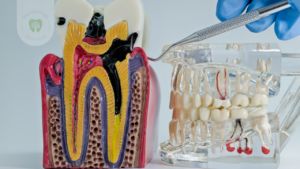
Root resorption is a process in which the body gradually breaks down and absorbs portions of a tooth’s root. This is a perfectly normal process when kids lose baby teeth to make room for permanent ones, but it is a serious issue if it happens to adult teeth.
Dentists generally look for two different types:
Internal resorption: The breakdown starts happening on the inside of the tooth, right in the root canal area.
External resorption: The breakdown happens on the outside surfaces where the root anchors into your jawbone.
zsituations, you slowly lose healthy tooth structure over time. Since it happens below the gums, most people don’t feel a thing until it shows up on a routine x-ray.
Why Does Root Resorption Occur?
There isn’t just one single reason why a tooth root starts breaking down. Instead, a few different situations can trigger the body to react this way.
Some of the most common factors include:
- An old sports injury, accident, or physical trauma to the mouth.
- Orthodontic treatment involving tooth movement.
- Long-term inflammation from deep cavities or chronic infections.
- Impacted teeth pressing up against neighboring roots.
- Complex dental procedures from your past.
- Pressure from localized cysts or small bone growths in the jaw.
Sometimes, it happens with no clear cause at all, which is why regular dental visits are so important.
Are There Any Symptoms to Look Out For?
The tricky part about this condition is that it rarely hurts in the beginning. But as the breakdown goes deeper into the tooth, you might start noticing a few subtle changes.
Keep an eye out for:
- Sudden sensitivity to hot, cold, or sweet foods.
- A dull ache or discomfort when you bite down.
- Changes in tooth color or appearance.
- Mild swelling or tenderness in the gums near the tooth.
- A tooth that feels slightly loose or starts shifting out of place.
How Do Dentists Diagnose Root Resorption?
Because you can’t see what’s happening underneath the gums with the naked eye, dentists rely on special imaging to spot the damage.
An evaluation usually involves:
- Standard digital x-rays to check between the teeth.
- Panoramic images for a wider view of your jaw.
- 3D imaging scans if they need to see the exact depth of the breakdown.
- A careful physical check of the tooth and surrounding gums.
Early detection may increase available treatment options and improve the chances of preserving the natural tooth.
What Is Root Resorption and How Can It Be Dealt With?
How a dentist handles the problem depends entirely on the type of resorption you have, how far it has gone, and when it was caught. The main goal is to help manage the resorption process and preserve as much healthy tooth structure as possible.
Common ways to handle it include:
Root canal therapy: If the issue is internal and caught early, a root canal may help remove affected tissue and reduce the progression of internal resorption.
Routine monitoring: For very minor or slow-moving spots, your dentist might just want to take an x-ray every few months to keep a close eye on it.
Minor surgical repairs: Certain external spots can be reached with a small gum procedure, allowing the dentist to clean out the area and patch it up.
Tooth extraction: If the root is too heavily damaged to support itself, removing the tooth might be the safest bet. From there, you can talk about easy replacement options like implants or bridges to keep your smile intact.
Final Thoughts
Learning what is root resorption and how can it be dealt with? helps patients understand why routine dental care is so important. Although root resorption can develop without obvious symptoms, modern diagnostic tools and treatment options can often help manage the condition effectively.
If you are concerned about a specific tooth or have been told you may have root resorption, the team at Westborough Dentistree can evaluate your situation and discuss appropriate treatment options.