
Recognizing a cracked tooth is rarely a straightforward process. Because fractures aren’t always visible to the naked eye, many people start by searching for a cracked tooth image to see if their situation matches what they find online. 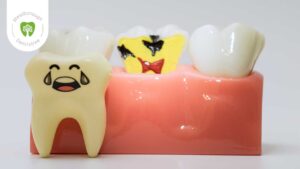
At Westborough Dentistree, we believe that visual education is a massive help for patients, but it’s only one part of the puzzle. Understanding what those lines on your teeth actually mean can save you a lot of stress and help you decide when it is time to call the office.
Understanding the Fracture
A cracked tooth generally refers to a situation where the structure of the tooth is compromised by a break. These fractures aren’t all the same. Some stay on the surface, while others dive deep toward the nerves.
A crack might be:
- A tiny “craze line” that is only in the enamel.
- A deeper fracture reaching the dentin or pulp.
- Something that only shows up when you bite down in a specific way.
Because teeth are layered, a crack can exist on the outside while the inside remains intact—or vice versa. This complexity is why a cracked tooth image can sometimes be misleading if you don’t know exactly what you are looking at.
The Role of Visual Comparison
When you experience a sudden zing of pain while eating, your first instinct is usually to grab a mirror. When you can’t see anything, searching for a cracked tooth image helps provide context. It allows you to see the difference between a simple stain and a structural crack.
Images help patients identify:
- Typical patterns where fractures occur.
- The difference between a surface scratch and a deep break.
- Why do some teeth look perfectly fine despite being in pain.
While these photos are great for learning, two cracks that look identical on the surface can have completely different outcomes. One might be harmless, while the other could worsen over time if not evaluated by a professional.
Common Patterns You Might See
Dental references usually break down cracks into a few specific categories based on where they start and how far they go.
Craze Lines:
These are very common. They are superficial lines in the enamel. They don’t hurt and usually don’t need treatment, though they can show up clearly in a high-resolution cracked tooth image.
Fractured Cusp:
This happens when a piece of the tooth’s chewing surface breaks off. It usually happens around an old, large filling that has weakened the surrounding tooth.
Cracked Tooth:
This is a fracture that starts at the top and goes vertically toward the root. If caught early, treatment such as a crown may help stabilize the tooth and reduce the risk of further damage.
Split Tooth:
This is the end result of an untreated crack. The tooth is literally split into two separate pieces. At this stage, treatment options are limited, and the tooth may not be salvageable in many cases.
Why Some Cracks Stay Hidden
Even if you have the clearest cracked tooth image in the world, some fractures are “silent.” They might be hidden below the gumline or are so thin that light passes right through them.
Sometimes, a tooth “flexes” when you bite, opening a microscopic gap that closes the second you let go. This is why you might feel a sharp pain when releasing a bite, even if the tooth looks solid in the mirror.
How We Find the Problem
Since we can’t always rely on sight, we use several diagnostic methods at Westborough Dentistree:
Magnification:
We use high-powered loupes to see details the human eye misses.
Bite Tests:
We have you bite down on a specialized tool to see which specific cusp is causing the pain.
Transillumination:
We shine a bright light through the tooth. A crack will block the light, creating a shadow that proves a fracture exists.
Digital Imaging:
X-rays help us see if the crack has caused any bone loss or infection at the root.
What Causes the Damage?
Teeth are strong but can be susceptible to cracks under certain conditions.
Habits:
Chewing on ice, pens, or hard candy.
Grinding:
Constant clenching (bruxism) puts immense pressure on the teeth.
Large Fillings:
Over time, these can act like a wedge, slowly splitting the tooth.
Temperature Shocks:
Jumping from ice-cold water to hot coffee can cause the enamel to expand and contract too quickly.
Protecting Your Smile
The earlier we find a crack, the better. Most early-stage cracks can be stabilized with a simple adjustment or a protective crown. If the crack extends to the pulp, a root canal may be recommended depending on the tooth’s condition.
While a cracked tooth image is a great starting point for your own research, professional evaluation is always recommended. If you notice sharp or unusual pain, call us so we can assess the situation and guide appropriate care.